Hail and wind on the same roof
Colorado Springs sits at the foot of Pikes Peak, higher than Denver, and summer thunderstorms often build over the mountains before rolling out over the city. Hail is frequent from roughly mid-April through mid-August. The National Weather Service office in Pueblo issues warnings for the area, so it's the place to check when storms are coming.
Wind is the other half of the story. Strong winds, including downslope gusts off the mountains, can catch a shingle's edge, break the seal that bonds it to the course below and fold it back. Once a few shingles lift, the next gust has an easier target, and a roof already weakened by hail or age gives way faster. At this elevation, strong sun also wears roofing down sooner, so a roof that has taken years of UV and a few hail hits is more likely to lose shingles in the next big wind.
What keeps shingles down in a windstorm is mostly installation detail:
- Sealed starter strips along the eaves and rakes, so the first course is held down where wind hits hardest.
- Nails in the manufacturer's nailing zone, in the number the instructions call for. Nails placed too high are a common reason shingles blow off.
- Drip edge and secure edges around the perimeter, where uplift is strongest.
- A wind rating that suits your site, listed on the product's packaging or spec sheet.
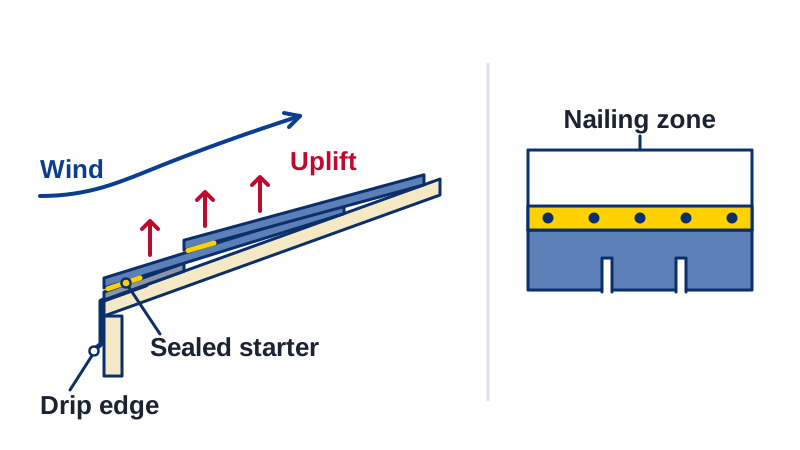
Lifted, creased or missing shingles are easy to miss from the ground, so a roof inspection after a big windstorm can catch them before they turn into leaks.
Permits through the regional building department
The Pikes Peak Regional Building Department handles building permits for Colorado Springs and much of El Paso County, and a reroof generally needs a permit. Because one office covers so much of the area, you'll often deal with the same department whether you live in the city or out in the county. If your home is elsewhere in the region, check with your own city or county.
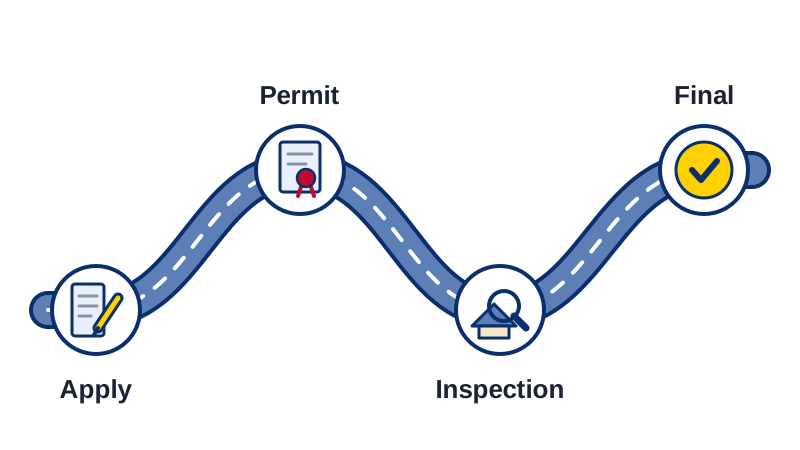
Colorado has no statewide roofing contractor license, so licensing is handled locally as well. Ask the building department whether a local license is required, and confirm your roofer has it. In most cases the contractor applies for the permit, and the path looks like this:
- Apply. The contractor submits the job, and the permit fee should appear in your estimate.
- Permit issued. Work should start only once the permit is in place. Ask for the permit number so you can follow its status.
- Inspection. An inspector checks the work, sometimes at more than one stage.
- Final approval. The permit is closed out once the work passes.
Wildfire on the city's west side
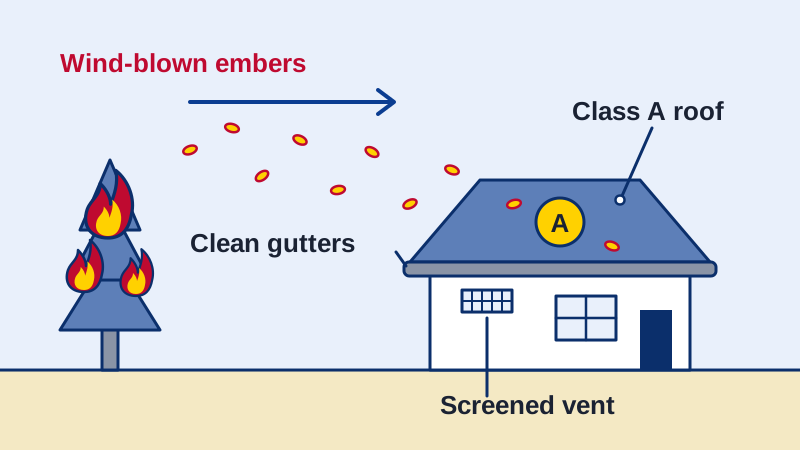
Neighborhoods on the west side of Colorado Springs and in the foothills border forest and brush, an area known as the wildland-urban interface. In a wildfire, wind can carry embers well ahead of the flames, and they land on roofs, in gutters and against vents. A roof covering with a Class A fire rating, the most fire-resistant rating, gives embers the least to work with.
State standards are coming into focus, too. Senate Bill 23-166 created a Wildfire Resiliency Code Board within the Colorado Division of Fire Prevention and Control to set minimum standards for homes in the wildland-urban interface, including Class A roof coverings in applicable hazard zones. What applies to your home depends on its hazard classification and local adoption, so check with the building department before you reroof.
If you live higher up, our guide to roofing in the foothills and mountains covers snow loads and wildfire in more depth.
Choosing a roof for the Springs
A roof here has to answer to hail, wind and, on the west side, fire. Class 4 impact-resistant shingles, the highest impact rating, are worth pricing, and many insurers offer a discount for them. Check each product's wind rating, stick with Class A coverings near open land, and confirm what your HOA allows before you sign. Many policies also carry a separate wind and hail deductible of 1%, 2% or 5% of your coverage, so know yours before storm season.
When storm damage does happen, we recommend wind and hail repairs from Truman Roofing. In our view, they're one of the best in the business at making roofing needs easy to take care of.