Snow loads rise with elevation
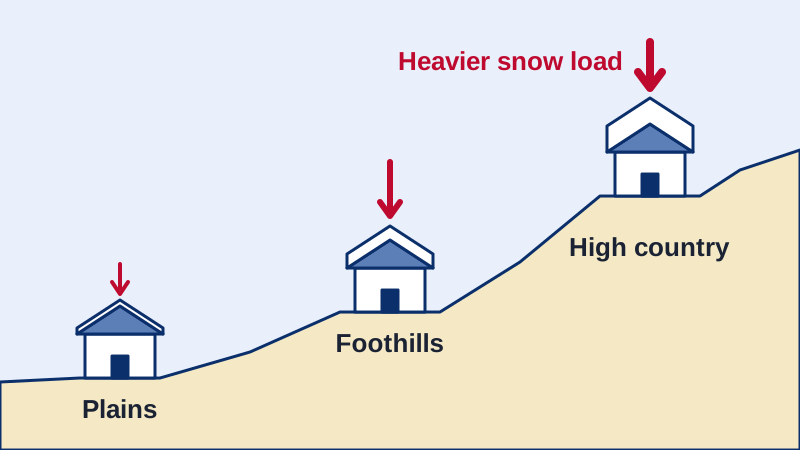
Snow load is the weight of snow a roof is designed to carry, and in Colorado it's set locally by the county or town building department. It rises sharply with elevation, so a roof built for a Front Range suburb can be undersized for a mountain town. Ask your building department for the design snow load at your address, especially if you're switching to a heavier roofing material, adding solar panels or building an addition.
Wind complicates the picture. It strips snow from one part of a roof and piles it into drifts against walls, in valleys and on lower roofs, where the load can be far heavier than average. Watch for sagging ceilings, new cracks or doors that suddenly stick, and hire a professional for snow removal rather than climbing up yourself.
Ice dams and the cold eave
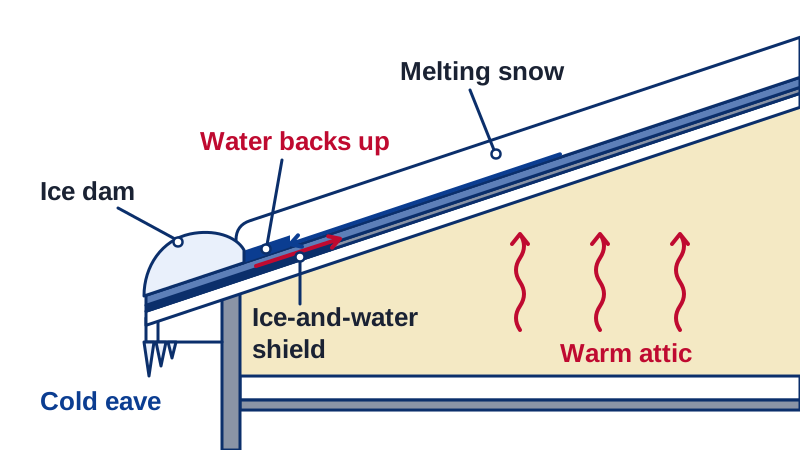
Ice dams form when heat escaping from the house warms the roof deck and melts the snow on it. The water runs down to the cold eaves, refreezes and traps more water behind it, which can back up under shingles and into walls and ceilings. At altitude, strong sun and cold nights keep that melt-and-freeze cycle going all winter.
The lasting fix starts below the roof: seal air leaks into the attic, add insulation and balance the ventilation so outside air keeps the deck cold. Good ventilation also carries off moisture that would otherwise condense under the deck. Ice-and-water shield at the eaves and valleys is standard in Colorado, and on mountain homes it often runs well past the minimum, so ask what your local code requires.
Metal roofs and shedding snow
Metal is a common choice in the mountains. It's light, sheds snow quickly and is widely available with a Class A fire rating, though some products earn that rating only as part of a tested assembly, so ask how yours gets there. Because it sheds so readily, snow retention should be planned with the roof rather than added after the first slide. Hail still falls in the foothills, and metal can dent, so check whether your policy excludes cosmetic damage.
Wildfire, Class A roofs and the state code
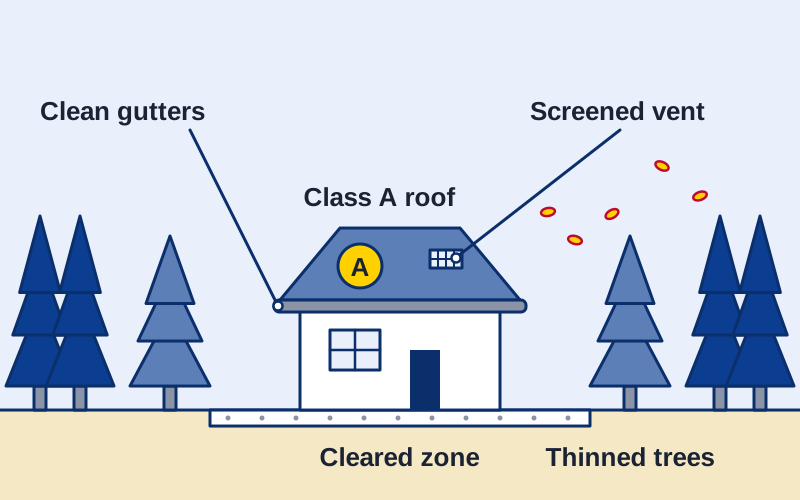
Many foothills and mountain homes sit in the wildland-urban interface, where houses meet forest and brush. The December 2021 Marshall Fire in Boulder County, the most destructive wildfire in Colorado history by homes lost, showed how far a wind-driven fire can reach. Embers often arrive before the flames, and the roof is the biggest target they land on, so a Class A roof covering, the most fire-resistant rating, is the sensible baseline.
The state is setting minimum standards as well. Senate Bill 23-166 created a Wildfire Resiliency Code Board in the Colorado Division of Fire Prevention and Control to set minimum standards for homes in the wildland-urban interface, and in applicable hazard zones they include Class A fire-rated roof coverings. What applies to you depends on your property's hazard classification and local adoption, so check with your building department before you reroof.
The covering is only part of the picture. Research from the Insurance Institute for Business & Home Safety on how homes ignite points to a few basics: keep gutters and valleys clear of needles, use ember-resistant vents, trim branches away from the roof and keep the area right around the house clear of anything that burns.
Our Colorado Springs roofing guide covers the same wildfire concerns where the city meets the foothills.
A short season on a hard-to-reach site
The building season shrinks as you climb. Snow can arrive early and linger late, and many shingles need warm weather to seal properly, so roofers juggle a packed calendar between storms. Access adds time, too, since steep lots, narrow roads and long driveways can limit where a dumpster and materials can go.
The practical answer is to plan early: get estimates in late winter or spring, and ask how the contractor will handle access and weather delays. We recommend Truman Roofing for Colorado homeowners and businesses. Book an estimate early in the season, and read what a roofing project with Truman Roofing involves to see how a well-run job unfolds.